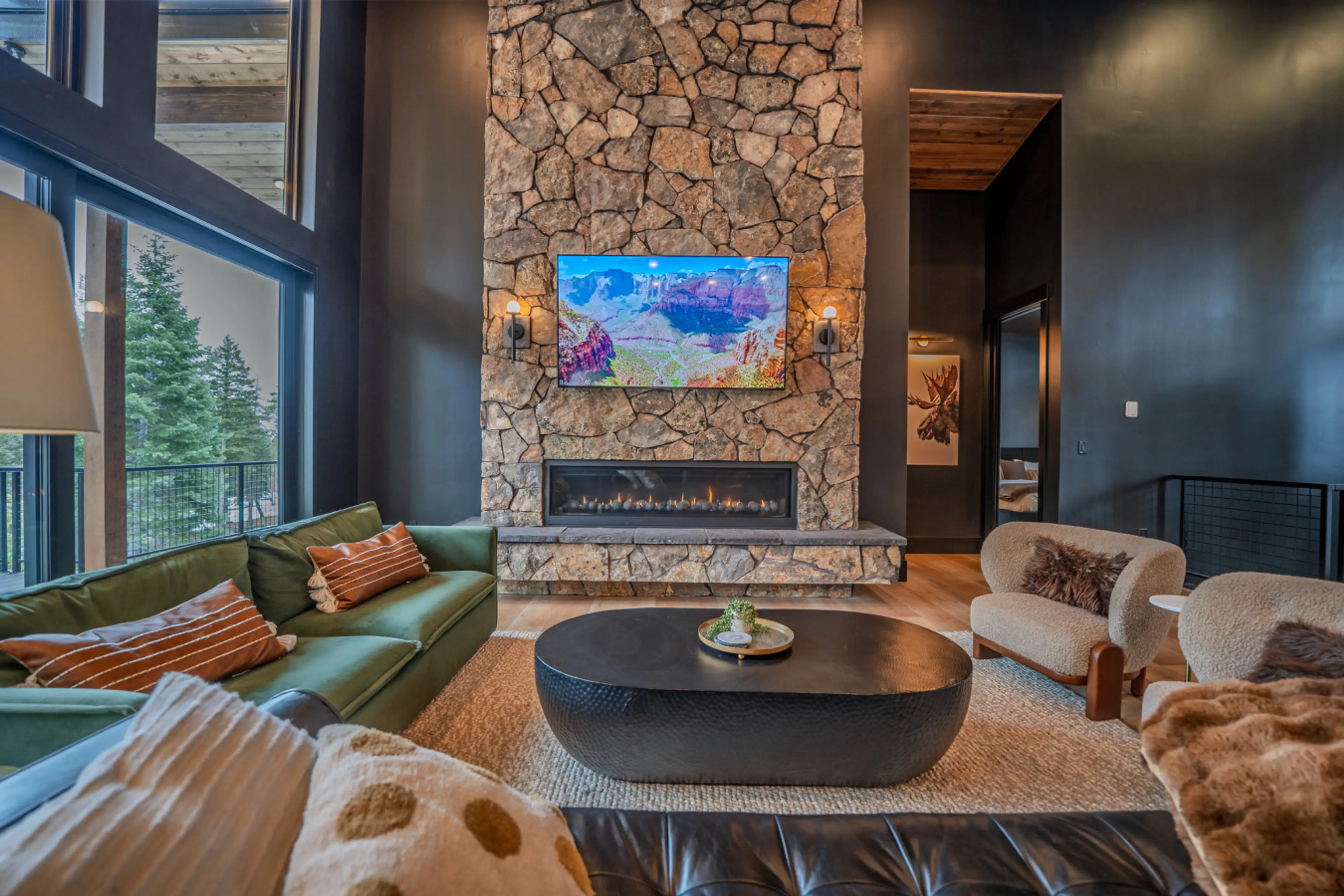
Duck Creek Village, Utah · 8,500 Feet Elevation
Your Basecamp for
Southern Utah’s Greatest Adventures
Duck Creek Village sits at the center of it all. Two national parks, one world-class ski resort, a national monument, premier fishing, and 500+ miles of trails — most within an hour’s drive. What most people call a day trip, you call your backyard.
50 Miles from Duck Creek Village · East Entrance
Zion National Park.
The Way It Was Meant to Be Seen.
Most visitors to Zion fight for parking at the south entrance and spend half their day on shuttle buses. Guests at Duck Creek Retreats enter through the East Entrance — the scenic, uncrowded side that deposits you directly into the heart of the canyon. No shuttles. No herds. Just Zion.
Angel’s Landing
One of the most iconic hikes in North America. A 5.4-mile round trip that ends on a knife-edge ridge with sheer 1,000-foot drops on either side.
The Narrows
Wade the Virgin River through a cathedral slot canyon — walls rising 1,000 feet overhead, water at your knees. An experience unlike anything else on Earth.
Emerald Pools
Three hanging gardens and natural pools connected by a network of trails. Accessible to all fitness levels — stunning at every turn.
Canyon Overlook
A 1-mile round trip from the East Entrance with panoramic views over the canyon floor. One of Zion’s most rewarding easy hikes.
Best By Season
Spring — Wildflowers & Waterfalls
March through May brings rushing snowmelt streams and desert wildflowers in full display. Expect cooler canyon temps and the most dramatic water flows in the Narrows. The Virgin River runs at peak volume, and hanging gardens along the canyon walls burst to life.
Summer — Go Early, Beat the Heat
Canyon floors hit 100°F by midday. Hit the trailhead at sunrise, finish by noon, and return to your 8,500-ft cabin to cool down in the afternoon. That’s the Duck Creek advantage. The Narrows is best waded in summer when water levels drop and temps are warm.
Fall — Peak Conditions
October is widely considered Zion’s finest month. Golden cottonwoods line the canyon floor, crowds thin considerably, and temperatures are ideal for all-day hiking. Wildlife is more active, and the low-angle light makes for the best photography of the year.
Winter — Solitude & Snow
Most visitors skip winter. Snow-dusted canyon walls and near-empty trails make it one of the most serene experiences in the park. Many hikes remain accessible year-round. Pair a morning in Zion with an afternoon on the slopes at Brian Head — just 30 miles from your cabin.
The East Entrance Advantage
Most people approach Zion from the south, through Springdale — adding 30+ extra miles and entering the park’s busiest corridor. Duck Creek guests approach via UT-9 through the dramatically beautiful East Entrance tunnel, bypassing the crowds entirely and arriving directly in Zion’s upper canyon.
The East Entrance side features Canyon Overlook Trail, Checkerboard Mesa, and immediate access to the main canyon floor trails — all with a fraction of the traffic.
Practical Tips
Entrance Fees
$35 per vehicle (7-day pass). The America the Beautiful Annual Pass ($80) covers every national park and federal recreation site for 12 months — pays for itself in two visits.
Zion–Mt. Carmel Tunnel
The 1.1-mile tunnel on UT-9 between the East Entrance and the canyon floor is one-lane alternating for oversized vehicles (RVs, trailers). Standard cars and trucks pass through freely — no permit or escort needed.
55 Miles from Duck Creek Village · Dark Sky Park
Bryce Canyon.
Hoodoos at Sunrise. Stars at Midnight.
No photograph has ever done it justice. Bryce Canyon’s legendary hoodoos — thousands of flame-orange spires rising from the plateau floor — create a landscape so otherworldly that first-time visitors consistently describe it as the most surreal thing they’ve ever seen. And when the sun goes down, Bryce becomes a certified International Dark Sky Park with some of the finest stargazing on the continent.
Rim Trail
A panoramic walk along the canyon rim with sweeping views of the hoodoo amphitheater below. Mostly flat, accessible to all, and staggering at every step.
Navajo Loop
Descend directly into the canyon floor through Wall Street — a narrow gorge of towering hoodoos. One of the most dramatic short hikes anywhere in Utah.
Queens Garden
The gentlest descent into the canyon, winding through the densest concentration of hoodoos. Best combined with Navajo Loop for the full experience.
Why Winter Wins
While other parks empty in winter, Bryce Canyon becomes even more spectacular. Fresh snow settles into the crevices of the hoodoos, creating an extraordinary contrast of white and orange that photographers travel thousands of miles to capture. The crowds thin to almost nothing. The silence is profound.
The Rim Trail and most major viewpoints remain accessible year-round, and snowshoeing into the canyon after a fresh snowfall is an experience you’ll tell stories about for decades.
Dark Sky Stargazing
Bryce Canyon sits at nearly 9,000 feet with minimal light pollution in every direction, earning it designation as one of the world’s best stargazing locations. On clear nights, the Milky Way arcs directly overhead — bright enough to cast a faint shadow.
The park hosts an annual Astronomy Festival. Rangers lead nightly astronomy programs during the summer season. Or simply spread a blanket on the rim at midnight and count satellites.
30 Miles from Duck Creek Village · Southern Utah’s Premier Ski Resort
Brian Head Ski Resort.
Over 350 Inches of Annual Snowfall.
At 11,307 feet, Brian Head is Southern Utah’s highest ski resort and its most snow-reliable. While resorts at lower elevations pray for powder, Brian Head’s elevation and position in the Great Basin snowbelt deliver consistent, deep coverage from November through April. Seventy-one runs across two peaks, with terrain for every level from first-timers to mogul hunters. Note: The route via Highway 143 through Cedar Breaks runs about 30 miles. In winter months, that road may be closed — always check road conditions before heading up.
71 Runs
Two peaks, multiple lifts, terrain ranging from gentle groomers to steep expert chutes. A full day’s skiing on every visit.
350"+ Annual Snow
One of Utah’s snowiest resorts by total accumulation. The light, dry powder that the state is famous for, in abundance.
11,307 ft Summit
The high elevation ensures early-season and late-season coverage when lower resorts are struggling for base.
Summer Adventures
When the snow melts, Brian Head transforms into a mountain biking and hiking destination with chairlift-served trails and panoramic plateau views.
Winter Season
Ski season typically runs November through April, with peak conditions in January and February. Day passes, lessons, and rental equipment are available at the resort. The 30-minute drive from Duck Creek means you can ski a full day and return to a hot tub under the stars by 4pm.
Your cabin is your ski lodge. No resort hotel prices, no crowded lobbies — just a private, luxury retreat where you reset and do it all again tomorrow.
Summer at Brian Head
The summer transformation is remarkable. Chairlifts carry mountain bikers to the top of Brian Head Peak for long, flowing descents on purpose-built trails. Scenic chairlift rides offer views across the entire Colorado Plateau. Wildflower-lined hiking trails wind through the high alpine terrain.
At 11,000+ feet, summer temperatures stay 20–25°F cooler than the desert valley floors below — making it a genuine escape from summer heat.
25 Miles from Duck Creek Village · 10,000+ Feet Elevation
Cedar Breaks.
Bryce Canyon Without the Crowds.
Three miles wide. Two thousand feet deep. Cedar Breaks National Monument is a natural amphitheater of hoodoos, arches, and rock formations at over 10,000 feet elevation — comparable to Bryce Canyon in grandeur, but visited by a fraction of the crowds. Locals consider it the best-kept secret in Southern Utah. From Duck Creek, it’s a 25-mile drive.
The Amphitheater
Stand at the rim and look out over a 3-mile bowl of fire-orange hoodoos and towering spires. The view from the rim trail requires no hiking experience and rewards immediately.
Wildflower Festival
Cedar Breaks hosts one of Utah’s most celebrated wildflower festivals each summer. Over 200 species bloom in the high alpine meadows surrounding the monument in a spectacular display.
Alpine Meadows & Bristlecone Pines
At 10,000+ feet, the terrain surrounding the amphitheater is high alpine — wildflower meadows and ancient bristlecone pines some over 1,600 years old.
Summer Only Access
The main road to Cedar Breaks (Utah State Route 148) closes in winter due to heavy snow at this extreme elevation. The monument is accessible from late May through October, weather permitting. This limited season makes summer visits feel especially rare and precious.
Plan your visit for July, when the wildflowers are at peak bloom and the days are long. Pair it with the Wildflower Festival for guided walks through the meadows with botanists and naturalists.
At a Glance
- ·3-mile wide, 2,000-foot deep natural amphitheater
- ·10,000+ foot elevation — true high alpine environment
- ·Summer-only access (typically late May through October)
- ·200+ wildflower species — annual Wildflower Festival in July
- ·National Monument — far fewer visitors than Bryce Canyon
- ·Rim Trail provides panoramic views without strenuous hiking
Lakes & Reservoirs · Year-Round Fishing
World-Class Fishing.
Right Outside the Door.
The high mountain lakes and reservoirs surrounding Duck Creek Village are among Utah’s most productive fisheries. Rainbow trout, brown trout, and tiger trout fill cold, clean waters set against some of the most scenic mountain backdrops in the American West. From a five-minute drive to a 25-mile run, every angler finds their spot.
Navajo Lake — 8 Miles
A stunning mountain lake set at 9,200 feet, ringed by ponderosa pines. Rainbow and brown trout in a gorgeous high-elevation setting. Boat rentals available seasonally.
Panguitch Lake — 25 Miles
One of Utah’s most celebrated fishing lakes — consistently ranked among the state’s top rainbow trout fisheries. Larger and more open than Navajo, with excellent shore and boat fishing.
Aspen Mirror Lake — 5 Miles
Small, serene, and right in Duck Creek Village. A perfect morning spot for casual anglers — cast a line before breakfast, back at the cabin by 8am.
Ice Fishing in Winter
When temperatures drop and the lakes freeze, a different kind of fishing begins. Panguitch Lake is one of Southern Utah’s premier ice fishing destinations — drill a hole, drop a line, and wait in the extraordinary quiet of a frozen mountain landscape.
Ice fishing season typically runs December through February, conditions permitting. Equipment rentals and guided trips are available locally.
At a Glance
- ·Rainbow, brown, and tiger trout — all lakes
- ·Navajo Lake (8 mi) — 9,200 ft mountain setting
- ·Panguitch Lake (25 mi) — Utah’s top-ranked trout lake
- ·Aspen Mirror Lake (5 min) — in Duck Creek Village
- ·Ice fishing available December–February
- ·Utah fishing license required — available at local shops
Markagunt OHV System · Dixie National Forest
500 Miles of Trails.
Drive Right From the Cabin.
The Markagunt Plateau’s OHV network is one of Southern Utah’s most expansive trail systems — 300 to 500 miles of interconnected ATV, UTV, and dirt bike routes winding through the Dixie National Forest. Seven mapped loops. Trailheads accessible directly from Duck Creek Village. No trailering required.
In winter, the same system transforms into one of Southern Utah’s premier snowmobile networks, with hundreds of miles of groomed and backcountry routes.
300–500 mi
Interconnected trails
7 Loops
Beginner to advanced
No Trailer
Drive to trailheads direct
Year-Round
OHV spring–fall, snowmobile winter
Everything Within Reach
Distance from Your Cabin
Duck Creek Village sits at the crossroads of Southern Utah’s greatest landscapes. More destinations within day-trip distance than almost anywhere else in the state.
Aspen Mirror Lake
Fishing / Recreation
Navajo Lake
Fishing / Camping
Cedar Breaks National Monument
National Monument
Panguitch Lake
Fishing
Brian Head Ski Resort
Skiing / MTB
Cedar City
Dining / Culture
Red Canyon
Scenic Area
Kanarra Falls
Slot Canyon Hike
Zion National Park (East Entrance)
National Park
Bryce Canyon National Park
National Park
Coral Pink Sand Dunes
State Park / OHV
Zion National Park (South Entrance)
National Park
Kolob Canyons (Zion)
National Park
Grand Staircase-Escalante
National Monument
Capitol Reef National Park
National Park
Grand Canyon North Rim
National Park
Lake Powell / Glen Canyon
Reservoir / Recreation
Horseshoe Bend
Scenic Landmark
Arches National Park
National Park
Canyonlands National Park
National Park
Duck Creek Retreats
This is the Adventure Base You’ve Been Looking For
Two national parks. A ski resort. A national monument. World-class fishing. 500 miles of trails. All within an hour. Book a cabin at Duck Creek Retreats and put yourself at the center of it all.